Quick Summary / Featured Snippet Answer:
A romance scam is a form of cyber-enabled fraud where criminals adopt fake online identities on dating apps and social media, cultivate an intense emotional connection (known as "love-bombing"), and manipulate victims into sending money, buying gift cards, or executing fraudulent investments under the guise of an emergency or romantic future.
Online dating platforms, dating apps, and social networks have revolutionized how we connect. However, they have also created a lucrative playground for international organized crime syndicates. To understand the scale of these networks, read our analysis on why romance scams are big business.
This master guide is designed to empower you with the tools, indicators, and psychological understanding needed to spot scammers in their tracks, perform self-directed investigations, and protect your family.
1. The 5-Phase Romance Scam Manipulation Timeline
Romance scammers do not ask for money on day one. They follow a highly structured, script-based timeline designed to bypass logical filters. Our guides analyze this behavior in-depth, such as how scammers manipulate timelines.
Phase 1: Target Selection & Profile Creation
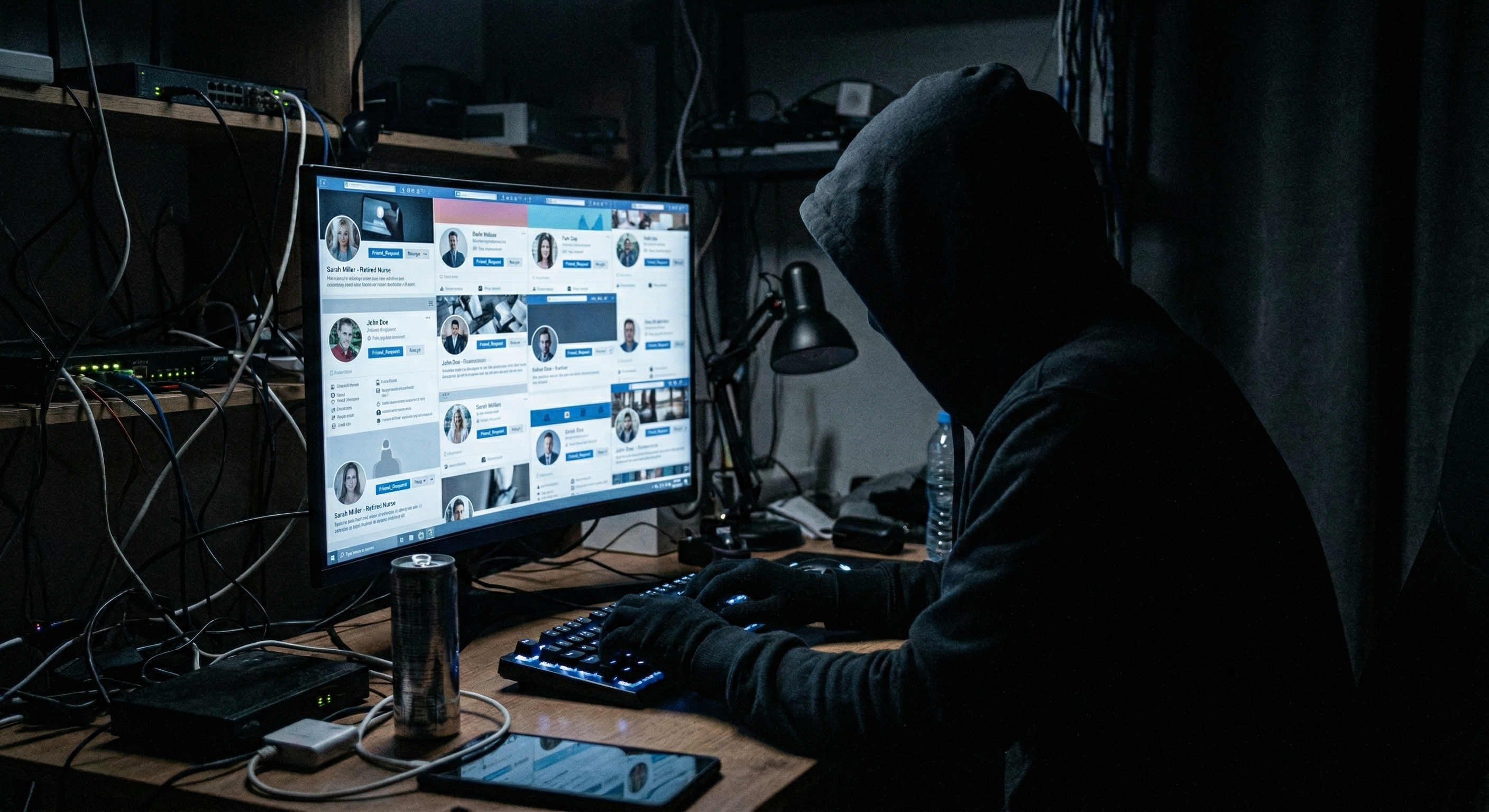
Scammers build highly engaging, trustworthy personas. They copy photographs from real people, often targeting profiles of military service members, overseas engineers, or widowed business professionals. They post these fake profiles on popular dating apps and local communities. For current insights, see our report on the top 10 romance scam profiles this week.
Phase 2: Love Bombing & Psychological Conditioning
Once contact is established, they flood their targets with attention. They send affectionate text messages, write poems, and discuss an immediate future together. This psychological conditioning creates strong emotional dependency, making it difficult for the victim to question their requests later.
Phase 3: The Transition to Secure Chat Apps
Scammers will quickly try to move you off the dating app (Tinder, Hinge, Bumble) onto private chat platforms like WhatsApp, Telegram, or Google Chat. They claim their dating app account is being closed or that they prefer private messaging.
Phase 4: The Crisis & First Money Request
Once emotional trust is absolute, a sudden crisis strikes. They might claim they have a medical emergency, a custom border fee on a package, or an immediate travel need to come visit you. They request money, gift cards, or crypto assets. To learn more about this step, read our breakdown of how the romance scam works step-by-step.
Phase 5: The Exit Scam & Blackmail
If the victim continues to pay, the requests grow larger. If the victim stops or voices suspicion, the tone changes. Scammers may turn to blackmail (especially if intimate photos were exchanged) or disappear completely, closing all accounts and leaving behind devastating emotional and financial losses.
2. The Most Common Romance Scam Formats in 2026
Scams are constantly evolving, but they typically fall into several major categories. We have analyzed these formats in detail:
- Military Impersonation Scams: Scammers pretend to be active-duty soldiers deployed overseas, making visits and video calls difficult. For a complete guide, read how military impersonation works and check out why scammers pretend to be soldiers.
- Pig Butchering (Crypto Scams): Scammers don't ask for money directly. Instead, they teach you how to invest in crypto using a rigged platform that eventually steals your savings. Learn how to spot these tactics in spotting the pig butchering investment trick, or read the comprehensive analysis of how crush investment scams steal your savings.
- Sextortion & Intimate Blackmail: Scammers lure victims into sharing private media, then threaten to send the photos to their family and employer. Check out how sextortion scams operate to stay protected.
- Sugar Daddy & Sugar Mommy Scams: Targeting younger audiences on Instagram, scammers offer a weekly allowance but require a "processing fee" or banking details beforehand. Read our guides: how sugar daddy scams work and sugar daddy step-by-step breakdown.
- Medical & Travel Emergencies: Scammers fabricate health emergencies to request cash. Read scammers fake health crises for money to learn the signs.
3. Comparison Table: Safe Partner vs. Romance Scammer
Use this comparison table to evaluate the behavior of your online connections. Keep in mind that scammers can sometimes mimic safe behaviors, but recurring red flags are a sign of trouble:
| Behavior / Indicator | Safe Partner | Romance Scammer |
|---|---|---|
| Video Calls | Willing to hop on video calls, coordinates schedule, clear audio and video. | Constantly invents excuses (broken camera, poor military connection, hospital policies). If they do call, the video is looped or grainy. |
| Financial Requests | Never asks for financial assistance, loans, bank details, or cryptocurrency. | Asks you to send money, buy gift cards, or invest on specific crypto sites. |
| Relationship Speed | Respects boundaries, builds friendship, meets in-person before professing love. | Brings up marriage, professes deep love in days or weeks, calls you "husband" or "wife" very quickly. |
| Online Accounts | Has a realistic online presence, natural posting history, organic friends/comments. | Few public photos, profile created recently, comments list is empty or filled with spam profiles. |
4. Verification Checklist: How to Unmask a Catfish
If you suspect someone you are speaking with online is not who they say, run these verification checks:
- Perform Reverse Image Searches: Use search engines to see if their profile pictures belong to someone else.
- Analyze Their Phone Number: Use online validation lookups. For background, see how burner phones help scammers.
- Analyze Communication Patterns: Scammers use scripts. AI message analysis can help flag repetitive phrases.
- Ask Specific Questions: Ask them to hold up a specific object or write your name on a piece of paper during a video call to bypass deepfakes.
5. Recovery & Healing After Being Catfished
Being catfished causes real emotional distress. It is important to know that you are not alone, and that professional support is available. Recovering your sense of trust is a gradual process.
If you have sent money, contact your bank immediately to attempt a wire recall, and report the scam to the FBI IC3 or AARP Fraud Watch Network.
6. Frequently Asked Questions
Can you track down a romance scammer?
It is very difficult because they operate overseas. However, keeping records of phone numbers, emails, and transaction IDs is crucial for reporting to federal authorities.
What should I do if I sent a scammer gift cards?
Contact the gift card issuer (Apple, Google, Amazon) immediately. If the funds have not been drained, they may be able to freeze the card. To learn why they request cards, read why scammers love gift cards.
Where do scammers find most victims?
Scammers operate on all major platforms. To understand where they congregate, read where romance scammers hide out online.